
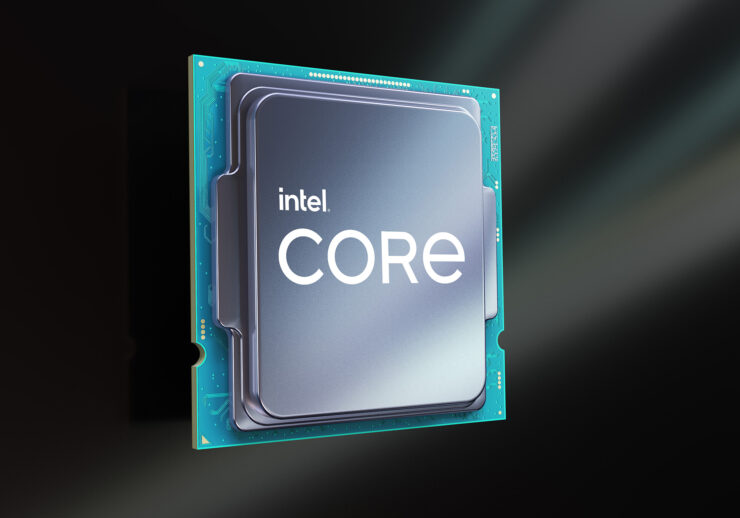
CPU คืออะไร ทำงานอย่างไร สำคัญอย่างไรกับคอมพิวเตอร์ของเรา

ระบบคอมพิวเตอร์เกิดขึ้นครั้งแรกในปี 1937 โดยจุดประสงค์แรกที่สร้างมันขึ้นมาเพื่อการคำนวณตัวเลขที่รวดเร็ว ต่อมาได้ถูกดัดแปลงให้เป็นเครื่องถอดรหัสที่ใช้งานกันในกองทัพ และสุดท้ายมันก็ถูกปรับมาให้เป็นเครื่องมือพิมพ์งาน เอกสาร และติดต่อสื่อสารกันมาตั้งแต่ปี 1945 และได้รับการพัฒนามาจนถึงปัจจุบัน หัวใจสำคัญของเครื่องคอมพิวเตอร์นั้นก็คือ CPU หรือที่เราเรียกกันว่าหน่วยประมวลผลหลัก ที่คอมพิวเตอร์และสมาร์ตโฟนทุกเครื่องต้องมี หลายคนเริ่มสงสัยแล้วใช่ไหมล่ะว่ามันคืออะไร มันทำงานอย่างไร และมันสำคัญต่อคอมพิวเตอร์เราอย่างไร วันนี้เราจะมาแนะนำให้ทุกคนได้รู้จักไปพร้อมกัน CPU คืออะไร ทำความรู้จักกับมันกัน CPU คืออะไร คำถามที่ใครหลายคนยังคงสงสัยและหาคำตอบกัน โดยคำว่า CPU นั้นย่อมาจาก Central Processing Unit หากแปลความหมายแบบตรงตัวเลยก็คือ หน่วยประมวลผลกลางซึ่งทำหน้าที่ในการประมวลผลข้อมูล หรือคำสั่งต่าง ๆ ที่ได้รับมา หากจะให้เปรียบเทียบกับมนุษย์ของคนเราแล้ว ซีพียูคือสมองที่ทำหน้าที่ควบคุมร่างกายและประมวลสิ่งต่าง ๆ ที่เข้ามา สมองที่สามารถกำหนดการเดิน การกิน การลุกนั่ง ซึ่งคอมพิวเตอร์เองก็มีซีพียูคอยทำหน้าที่นั้นเช่นกันแต่อยู่ในรูปแบบของประมวลผลข้อมูล และแสดงออกมาเป็นภาพบนหน้าจออย่างที่เราเห็นกันทุกวันนี้ ซึ่งการจะได้สมองที่รวดเร็ว ประมวลผลได้แบบเต็มประสิทธิภาพแล้วละก็จะต้องเป็นซีพียูที่มีราคาสูง และแกนสมองหลายแกนจึงจะสามารถตอบสนองในการใช้งานได้เป็นอย่างดีนั่นเอง Core และ Thread คือสิ่งสำคัญในการเลือกซื้อ CPU อย่างที่กล่าวไปแล้วว่า CPU คือสมองของคอมพิวเตอร์ของคุณ แต่ซีพียูหนึ่งตัวนั้นก็จะมีสมองย่อย…
Read More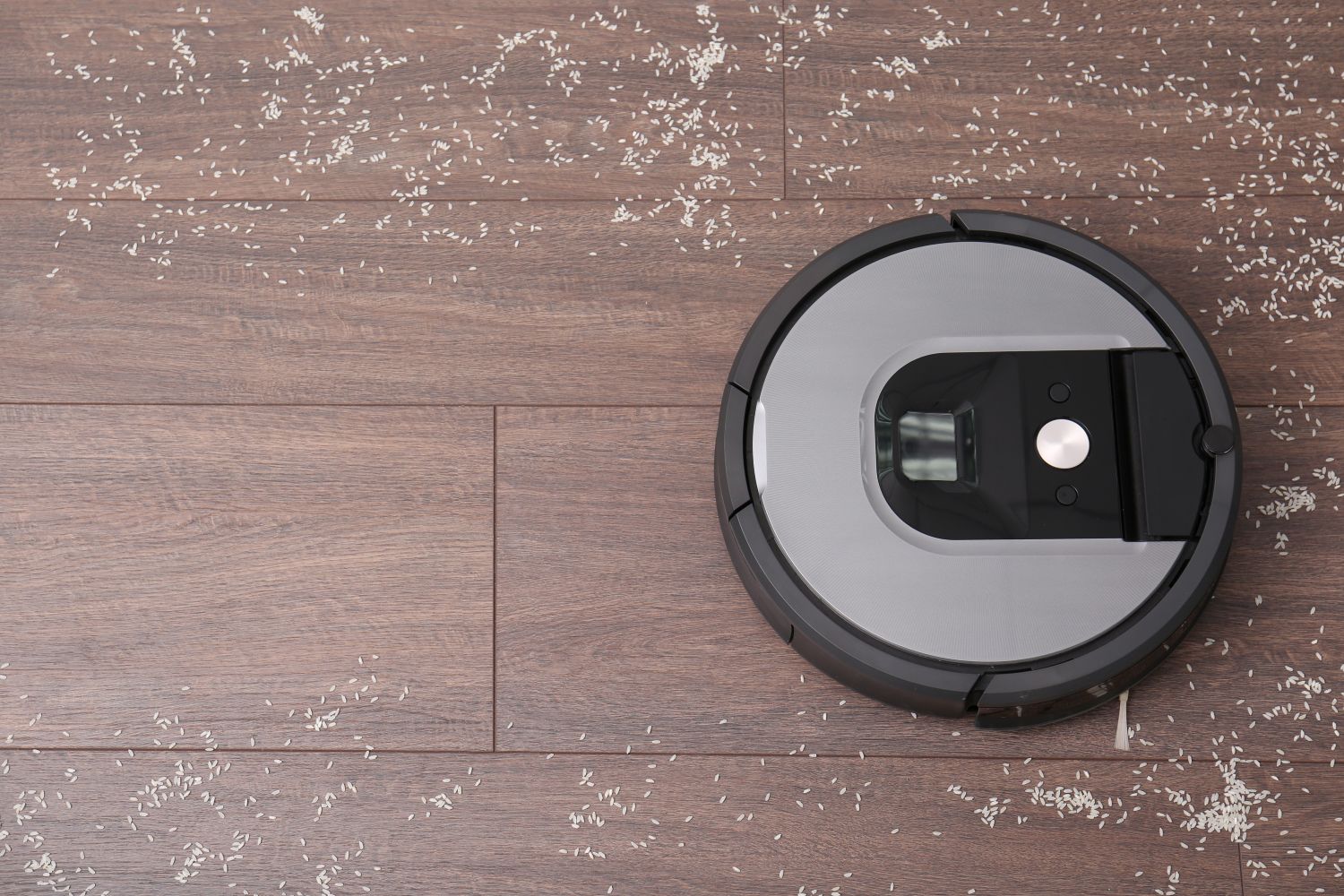
หุ่นยนต์ทำความสะอาดคืออะไร? เทคโนโลยี ระบบการทำงาน และการเลือกใช้ให้เหมาะกับพื้นที่
ในช่วงไม่กี่ปีที่ผ่านมา “หุ่นยนต์ทำความสะอาด” กลายเป็นหนึ่งในเทคโนโลยีที่ถูกนำมาใช้ในภาคธุรกิจและอุตสาหกรรมอย่างแพร่หลาย จากเดิมที่การดูแลความสะอาดต้องพึ่งพาแรงงานคนเป็นหลัก ปัจจุบันองค์กรจำนวนมากเริ่มหันมาใช้ระบบอัตโนมัติเพื่อเพิ่มประสิทธิภาพ ลดต้นทุนระยะยาว และยกระดับมาตรฐานด้านสุขอนามัยของสถานที่ การทำความเข้าใจว่าหุ่นยนต์ทำความสะอาดคืออะไร ทำงานอย่างไร และเหมาะกับพื้นที่ประเภทใด จึงเป็นจุดเริ่มต้นสำคัญก่อนการตัดสินใจลงทุนในเทคโนโลยีนี้ หุ่นยนต์ทำความสะอาดคืออะไร และต่างจากเครื่องทำความสะอาดทั่วไปอย่างไร หุ่นยนต์ทำความสะอาด คือเครื่องจักรอัตโนมัติที่ถูกออกแบบมาเพื่อทำหน้าที่ดูดฝุ่น ขัดพื้น หรือถูพื้น โดยใช้ระบบเซ็นเซอร์และซอฟต์แวร์ควบคุมการเคลื่อนที่ แทนการบังคับด้วยมนุษย์ ความแตกต่างจากเครื่องทำความสะอาดทั่วไป ได้แก่ จุดเด่นสำคัญคือความสม่ำเสมอของงาน เพราะหุ่นยนต์สามารถทำงานตามโปรแกรมเดิมซ้ำได้โดยไม่เกิดความคลาดเคลื่อน ระบบการทำงานภายในของหุ่นยนต์ทำความสะอาด เบื้องหลังการทำงานของหุ่นยนต์ทำความสะอาดประกอบด้วยเทคโนโลยีหลายส่วนที่ทำงานร่วมกัน ระบบนำทาง (Navigation System) ใช้ LiDAR หรือกล้อง 3D สแกนพื้นที่ เพื่อสร้างแผนที่และกำหนดเส้นทางการทำงาน ระบบเซ็นเซอร์ตรวจจับ ช่วยหลีกเลี่ยงสิ่งกีดขวาง เช่น คน รถเข็น หรือชั้นวางสินค้า ระบบดูดและขัดพื้น ประกอบด้วยแปรง มอเตอร์ดูดฝุ่น และระบบจ่ายน้ำยา ระบบควบคุมอัจฉริยะ ใช้ AI วิเคราะห์พื้นที่สกปรกและปรับโหมดทำความสะอาดอัตโนมัติ เทคโนโลยีเหล่านี้ทำให้หุ่นยนต์สามารถทำงานในพื้นที่จริงได้โดยไม่ต้องพึ่งการควบคุมตลอดเวลา พื้นที่ที่เหมาะกับการใช้หุ่นยนต์ทำความสะอาด ปัจจุบันหุ่นยนต์ทำความสะอาดถูกนำไปใช้ในหลายอุตสาหกรรม เช่น พื้นที่เหล่านี้มักมีขนาดใหญ่ ใช้งานต่อเนื่อง และต้องรักษามาตรฐานความสะอาดสูง…
Read More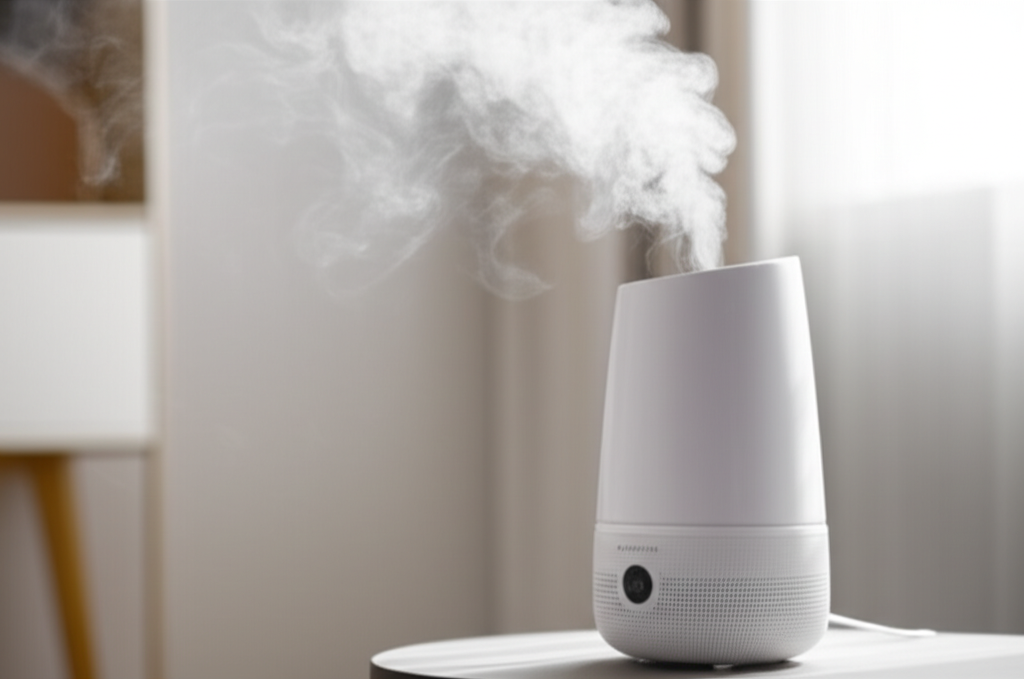
บทบาทของเครื่องปรับความชื้นในการยกระดับมาตรฐานสุขอนามัยของธุรกิจโรงแรม
เครื่องปรับความชื้น ขั้นตอนเตรียมพร้อมเพื่อยกระดับสุขอนามัยในธุรกิจโรงแรม การรักษามาตรฐานสุขอนามัยในธุรกิจโรงแรมถือเป็นหัวใจสำคัญที่มีผลต่อความพึงพอใจของผู้เข้าพัก และเครื่องปรับความชื้นกลายเป็นหนึ่งในอุปกรณ์สำคัญที่ช่วยควบคุมสภาพแวดล้อมภายในอาคารได้อย่างมีประสิทธิภาพ การใช้เครื่องปรับความชื้นอย่างเหมาะสมไม่เพียงแต่ช่วยลดความชื้นเกินในอากาศ แต่ยังมีบทบาทในการป้องกันเชื้อรา แบคทีเรีย และฝุ่นละออง ซึ่งเป็นปัจจัยสำคัญที่ส่งผลต่อสุขอนามัยโดยรวมของโรงแรม ในบทความนี้จะนำเสนอขั้นตอนการเตรียมตัวเพื่อใช้เครื่องปรับความชื้นอย่างถูกต้องและมีประสิทธิผลสูงสุด 1. ประเมินสภาพแวดล้อมและความต้องการของโรงแรม ก่อนจะเลือกและติดตั้งเครื่องปรับความชื้น จำเป็นต้องวิเคราะห์สภาพแวดล้อมของโรงแรมอย่างละเอียด เพื่อให้ได้ข้อมูลพื้นฐานสำหรับการวางแผนที่เหมาะสม การประเมินนี้ครอบคลุมถึง การเก็บข้อมูลเหล่านี้เป็นขั้นตอนพื้นฐานที่ช่วยให้เลือกเครื่องปรับความชื้นที่เหมาะสมทั้งในด้านขนาดและฟังก์ชันการทำงาน 2. เลือกเครื่องปรับความชื้นให้เหมาะสมกับการใช้งาน เครื่องปรับความชื้นมีหลายประเภท เช่น แบบดูดความชื้น (Dehumidifier) และแบบเพิ่มความชื้น (Humidifier) ซึ่งแต่ละประเภทมีคุณสมบัติที่แตกต่างกัน การเลือกให้ตรงกับความต้องการของโรงแรมจึงต้องพิจารณาอย่างรอบคอบ โดยเฉพาะในกรณีที่พื้นที่ต่างๆ มีความต้องการความชื้นที่แตกต่างกัน การวางแผนเลือกเครื่องปรับความชื้นที่เหมาะสมจะช่วยให้การควบคุมสภาพแวดล้อมภายในโรงแรมมีความแม่นยำและตอบโจทย์สุขอนามัยอย่างแท้จริง 3. การติดตั้งและการจัดวางตำแหน่งเครื่องอย่างมีประสิทธิภาพ ตำแหน่งการติดตั้งเครื่องปรับความชื้นมีผลโดยตรงต่อประสิทธิภาพการทำงานและการกระจายความชื้นในพื้นที่ การวางเครื่องในจุดที่เหมาะสมช่วยลดการสะสมของความชื้นส่วนเกินและเพิ่มความสม่ำเสมอของอากาศในห้อง การติดตั้งอย่างถูกวิธีช่วยให้โรงแรมสามารถรักษามาตรฐานสุขอนามัยได้อย่างต่อเนื่องและลดปัญหาการบำรุงรักษาในระยะยาว 4. การตั้งค่าระบบและการบำรุงรักษาเพื่อประสิทธิภาพสูงสุด หลังจากติดตั้งเครื่องปรับความชื้นแล้ว การตั้งค่าควบคุมระดับความชื้นสัมพัทธ์เป็นสิ่งสำคัญที่ช่วยรักษาสภาพแวดล้อมให้เหมาะสมตามมาตรฐานสุขอนามัย โดยทั่วไปควรกำหนดอยู่ในช่วง 40-60 เปอร์เซ็นต์ ซึ่งเป็นช่วงที่ป้องกันการเจริญเติบโตของเชื้อราและแบคทีเรียได้ดีที่สุด การดูแลและตั้งค่าที่เหมาะสมช่วยให้เครื่องปรับความชื้นทำงานได้เต็มประสิทธิภาพและยืดอายุการใช้งาน 5. การฝึกอบรมพนักงานและจัดทำคู่มือการใช้งาน บุคลากรในธุรกิจโรงแรมควรได้รับการฝึกอบรมเกี่ยวกับการใช้และดูแลเครื่องปรับความชื้นอย่างถูกวิธี เพื่อให้สามารถตอบสนองและแก้ไขปัญหาเบื้องต้นได้อย่างรวดเร็วและมีประสิทธิภาพ การจัดทำคู่มือการใช้งานที่ชัดเจนก็เป็นอีกหนึ่งมาตรการที่ช่วยสนับสนุนการดูแลรักษาเครื่อง การเตรียมความพร้อมด้านบุคลากรถือเป็นส่วนสำคัญในการรักษามาตรฐานสุขอนามัยและความต่อเนื่องของการใช้งานเครื่องปรับความชื้นอย่างมีประสิทธิผล มุมมองส่งท้าย การวางแผนอย่างเป็นระบบเพื่อสุขอนามัยที่เหนือระดับ การใช้เครื่องปรับความชื้นในธุรกิจโรงแรมต้องอาศัยการวางแผนและดำเนินการอย่างเป็นระบบตั้งแต่ขั้นตอนการประเมินสภาพแวดล้อม การเลือกเครื่องที่เหมาะสม การติดตั้งในตำแหน่งที่ถูกต้อง…
Read More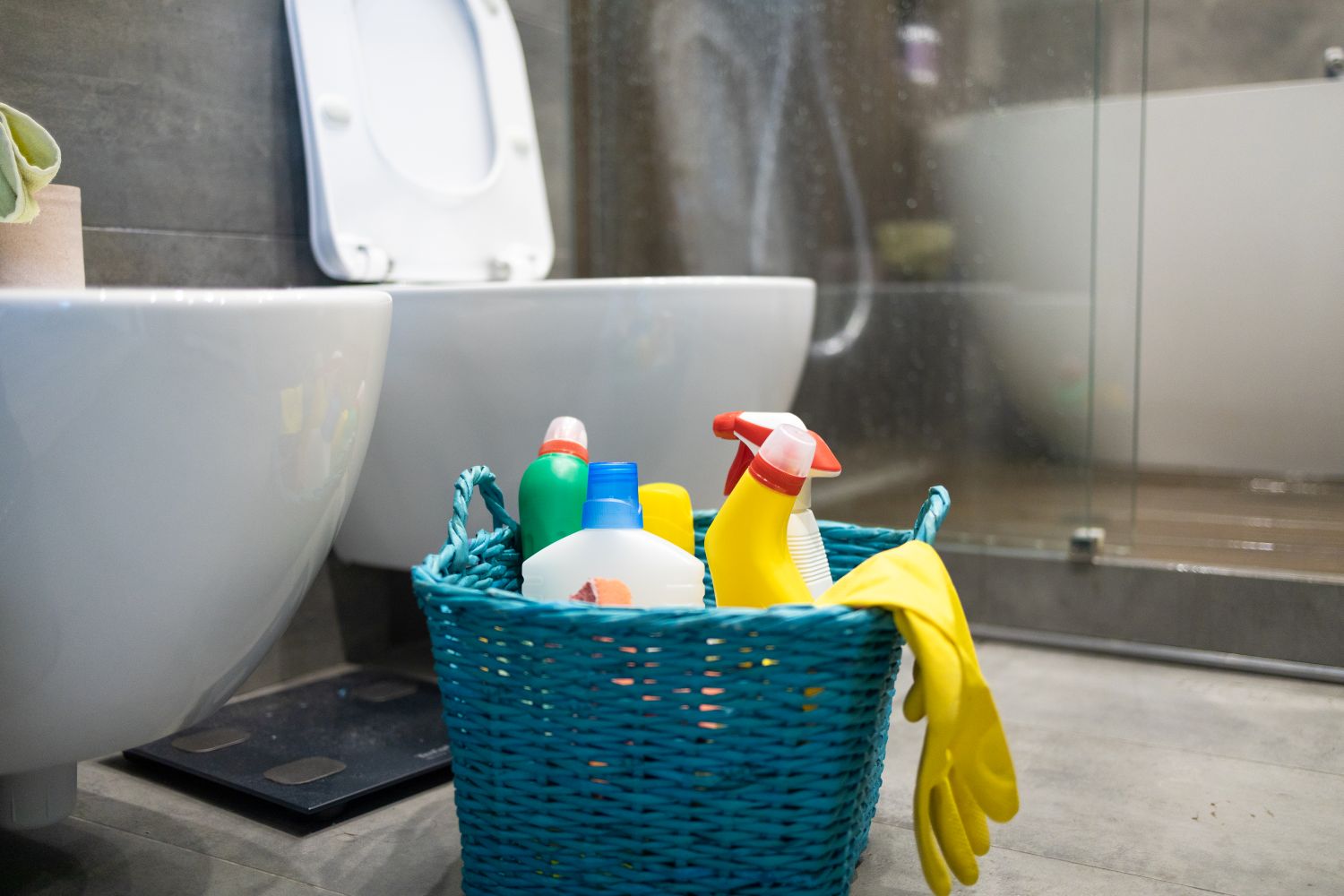
น้ำยาล้างห้องน้ำสูตรออร์แกนิก ดีจริงหรือแค่คำโฆษณา?
ในยุคที่ผู้คนหันมาใส่ใจสุขภาพและสิ่งแวดล้อมมากขึ้น ผลิตภัณฑ์ทำความสะอาดก็ถูกตั้งคำถามมากขึ้นตามไปด้วย หนึ่งในกลุ่มที่ได้รับความสนใจอย่างต่อเนื่องคือน้ำยาล้างห้องน้ำสูตรออร์แกนิก ซึ่งถูกนำเสนอว่าอ่อนโยน ปลอดภัย และเป็นมิตรต่อธรรมชาติ แต่หลายคนยังคงสงสัยว่าสิ่งเหล่านี้ให้ผลลัพธ์ดีจริง หรือเป็นเพียงกลยุทธ์ทางการตลาดที่อาศัยคำว่า “ธรรมชาติ” มาเป็นจุดขายเท่านั้น บทความนี้จะพาคุณไปเปิดมุมมองอย่างรอบด้าน ตั้งแต่แนวคิดเบื้องหลัง เทรนด์ล่าสุด นวัตกรรมที่ถูกนำมาใช้ ไปจนถึงข้อดี ข้อจำกัด และแนวโน้มในอนาคต เพื่อช่วยให้คุณตัดสินใจได้อย่างมั่นใจมากขึ้น แนวคิดของผลิตภัณฑ์ทำความสะอาดสูตรออร์แกนิก ผลิตภัณฑ์ทำความสะอาดสูตรออร์แกนิกเกิดจากแนวคิดที่ต้องการลดการพึ่งพาสารเคมีรุนแรง และหันมาใช้วัตถุดิบจากธรรมชาติแทน เช่น สารสกัดจากพืช เอนไซม์ หรือกรดอ่อนจากธรรมชาติ แนวคิดนี้ไม่ได้มุ่งแค่ความสะอาด แต่ยังคำนึงถึงผลกระทบต่อสุขภาพผู้ใช้และสิ่งแวดล้อมในระยะยาว ในอดีต หลายคนอาจมองว่าสูตรธรรมชาติทำความสะอาดได้ไม่ดีเท่าสูตรเคมี แต่การพัฒนาในปัจจุบันได้เปลี่ยนภาพจำเหล่านั้นไปอย่างมาก เทรนด์ล่าสุดของผลิตภัณฑ์ล้างห้องน้ำแนวธรรมชาติ ตลาดผลิตภัณฑ์ดูแลความสะอาดในช่วงไม่กี่ปีที่ผ่านมาเติบโตอย่างรวดเร็ว โดยเฉพาะกลุ่มที่เน้นความปลอดภัยและความยั่งยืน เทรนด์ที่เห็นได้ชัด ได้แก่ แนวโน้มเหล่านี้ทำให้น้ำยาล้างห้องน้ำสูตรใหม่ ๆ ไม่ได้ถูกมองว่าเป็นแค่ทางเลือก แต่กลายเป็นกระแสหลักในหลายประเทศ นวัตกรรมที่ช่วยให้สูตรออร์แกนิกมีประสิทธิภาพมากขึ้น หนึ่งในเหตุผลที่ผลิตภัณฑ์กลุ่มนี้ได้รับความนิยม คือการผสมผสานเทคโนโลยีเข้ากับธรรมชาติอย่างลงตัว นวัตกรรมที่พบได้บ่อย ได้แก่ เอนไซม์จากธรรมชาติ เอนไซม์ช่วยย่อยสลายคราบไขมัน คราบสบู่ และคราบอินทรีย์ได้อย่างมีประสิทธิภาพ โดยไม่ทำลายพื้นผิว เทคโนโลยีอนุภาคละเอียด ช่วยให้สารทำความสะอาดแทรกซึมเข้าสู่พื้นผิวได้ดีขึ้น ขจัดคราบได้ล้ำลึก โดยไม่จำเป็นต้องใช้สารกัดกร่อน กลิ่นหอมจากน้ำมันหอมระเหย นอกจากช่วยให้ห้องน้ำสดชื่น…
Read More
ปัจจัยสำคัญที่ต้องรู้ก่อนเชื่อมอลูมิเนียม: ความสะอาด ความร้อน และการไหลของโลหะ
อลูมิเนียมเป็นวัสดุที่ให้ผลลัพธ์สวยงาม น้ำหนักเบา และทนการกัดกร่อนได้ดี จึงถูกใช้ในงานโครงสร้าง งานซ่อมบำรุง ไปจนถึงงานอุตสาหกรรมหลายประเภท แต่ในโลกของงานเชื่อม อลูมิเนียมถือเป็นวัสดุที่ท้าทายมากที่สุดชนิดหนึ่ง เพราะไวต่อความร้อน มีชั้นออกไซด์บนผิว และต้องการสภาพการเชื่อมที่ควบคุมได้อย่างละเอียด แม้จะมีอุปกรณ์ช่วยมากมาย เช่น เครื่องเชื่อมเฉพาะทางหรือลวดเชื่อมอลูมิเนียม แต่พื้นฐานสำคัญที่ช่างทุกคนต้องเข้าใจมีอยู่สามเรื่อง ได้แก่ ความสะอาด ความร้อน และการไหลของเนื้อโลหะ ความสะอาด: จุดเริ่มต้นของแนวเชื่อมที่สมบูรณ์ ผิวอลูมิเนียมจะเกิดชั้นออกไซด์ขึ้นทันทีเมื่อสัมผัสอากาศ ชั้นนี้แข็งกว่าเนื้อโลหะด้านล่างมากและละลายที่อุณหภูมิสูงกว่า การเชื่อมโดยไม่ทำความสะอาดให้ดีจึงทำให้แนวเชื่อมไม่สม่ำเสมอ เกิดรูพรุน หรือหลอมติดยาก การเตรียมผิวก่อนเชื่อมจึงเป็นขั้นตอนสำคัญที่สุด สิ่งที่ควรทำก่อนเชื่อม ได้แก่: หากละเลยขั้นตอนนี้ ต่อให้ใช้อุปกรณ์ดีแค่ไหน แนวเชื่อมก็ไม่มีวันได้คุณภาพตามต้องการ ความร้อน: ปัจจัยที่ควบคุมยากที่สุดแต่สำคัญที่สุด อลูมิเนียมดูดซับความร้อนได้ไวมาก ทำให้เกิดการบิดงอหรือทะลุได้ง่าย โดยเฉพาะชิ้นงานบาง การควบคุมอุณหภูมิระหว่างเชื่อมจึงเป็นหัวใจสำคัญ เทคนิคที่ใช้ในงานจริงมักแตกต่างกันไปตามความหนาของวัสดุและชนิดของงาน หลักการที่ควรเข้าใจ เช่น: เมื่อควบคุมความร้อนได้เหมาะสม โอกาสเกิดรูพรุน รอยยุบ หรือผิวเชื่อมไหม้จะลดลงอย่างชัดเจน การไหลของโลหะ: จุดที่บอกคุณภาพของรอยเชื่อมทั้งหมด ความสวยงามและความแข็งแรงของแนวเชื่อมจะขึ้นอยู่กับ “สระหลอม” เป็นหลัก คือปริมาณและลักษณะของโลหะที่ละลายขณะเชื่อม หากสระหลอมไม่เสถียร แนวเชื่อมจะขรุขระ แตก หรือไม่แน่นได้ง่าย…
Read More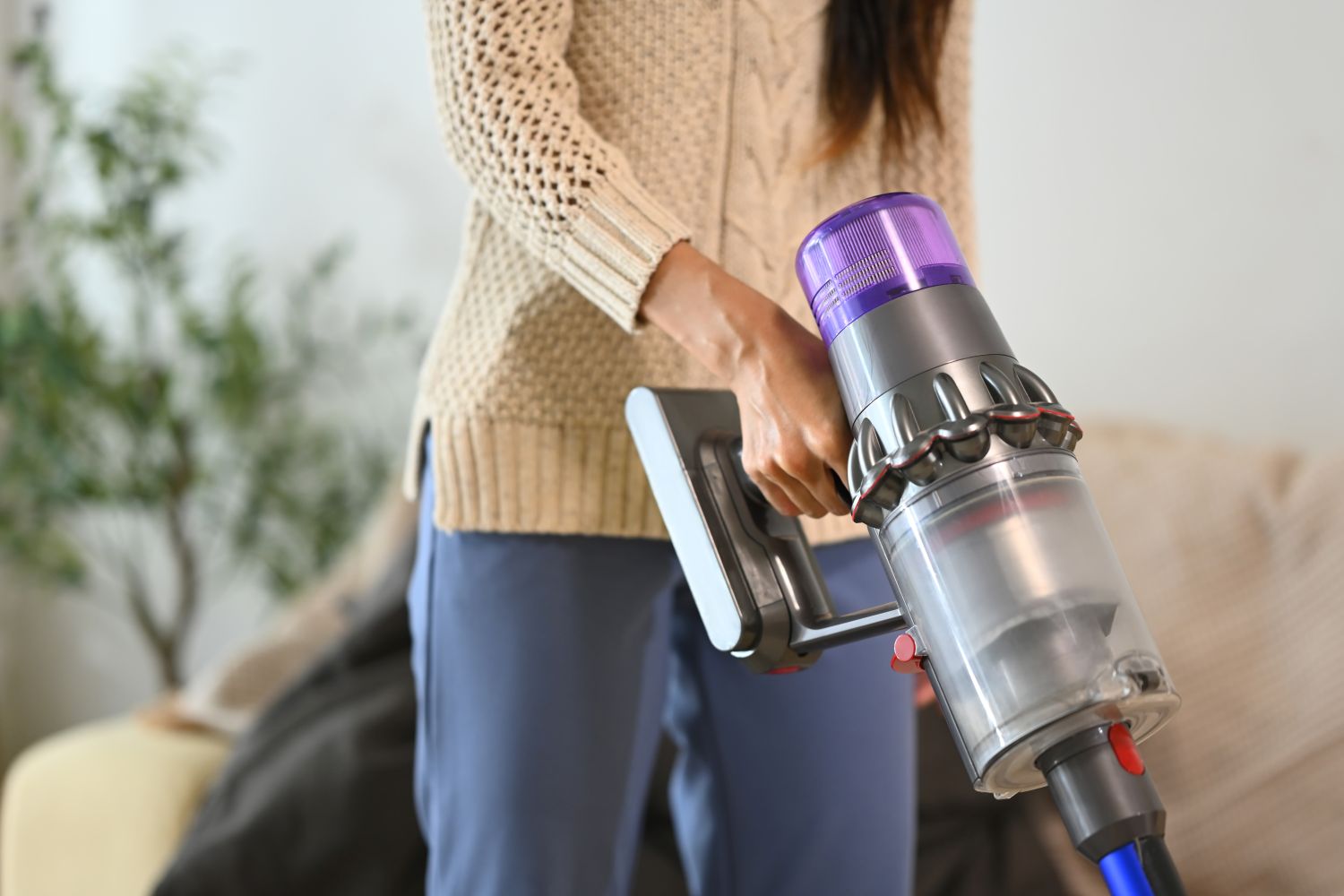
เครื่องดูดฝุ่นไร้สายกับฝุ่น PM2.5 และสารก่อภูมิแพ้ในบ้าน
ฝุ่นในบ้านไม่ได้เป็นเพียงสิ่งสกปรกที่มองเห็นได้ด้วยตาเปล่าเท่านั้น แต่ยังรวมถึงฝุ่นขนาดเล็กอย่าง PM2.5 และสารก่อภูมิแพ้ที่ลอยอยู่ในอากาศหรือสะสมตามพื้น เฟอร์นิเจอร์ และผ้าในบ้าน ปัญหาเหล่านี้ส่งผลต่อระบบทางเดินหายใจและสุขภาพในระยะยาวโดยที่หลายคนไม่รู้ตัว การเลือกใช้อุปกรณ์ทำความสะอาดที่เหมาะสมอย่าง เครื่องดูดฝุ่นไร้สาย จึงกลายเป็นส่วนหนึ่งของการดูแลสภาพแวดล้อมในบ้านมากกว่าการทำความสะอาดทั่วไป ฝุ่น PM2.5 และสารก่อภูมิแพ้ในบ้านมาจากไหน แม้จะปิดบ้านมิดชิด แต่ฝุ่นและสารก่อภูมิแพ้ก็ยังสามารถสะสมได้จากหลายแหล่ง ทั้งจากภายนอกและกิจกรรมภายในบ้าน แหล่งที่พบบ่อย ได้แก่ ฝุ่นเหล่านี้มีขนาดเล็กมาก และสามารถฟุ้งกระจายได้ง่ายเมื่อมีการเดินหรือเคลื่อนไหวภายในบ้าน ทำไมฝุ่นขนาดเล็กจึงน่ากังวล ฝุ่น PM2.5 และสารก่อภูมิแพ้มีขนาดเล็กพอที่จะเข้าสู่ระบบทางเดินหายใจได้โดยตรง การสัมผัสซ้ำ ๆ อาจส่งผลต่อสุขภาพในระยะยาว โดยเฉพาะในเด็ก ผู้สูงอายุ และผู้ที่มีโรคภูมิแพ้หรือโรคทางเดินหายใจ ผลกระทบที่พบได้ การจัดการฝุ่นเหล่านี้จึงไม่ใช่แค่เรื่องความสะอาด แต่เป็นเรื่องของสุขภาพในชีวิตประจำวัน บทบาทของเครื่องดูดฝุ่นไร้สายในการจัดการฝุ่น เครื่องดูดฝุ่นไร้สายถูกออกแบบมาเพื่อความคล่องตัว ทำให้การทำความสะอาดเกิดขึ้นได้บ่อยขึ้นและเข้าถึงพื้นที่ต่าง ๆ ได้ง่ายกว่าเดิม จุดเด่นที่ช่วยจัดการฝุ่นได้ดี เมื่อการทำความสะอาดทำได้ง่ายขึ้น เครื่องดูดฝุ่นไร้สายจึงช่วยลดการสะสมของฝุ่นขนาดเล็กในบ้านได้อย่างต่อเนื่อง การดูดฝุ่นที่สม่ำเสมอสำคัญกว่าที่คิด การทำความสะอาดเป็นครั้งคราวอาจไม่เพียงพอสำหรับฝุ่นละเอียดที่สะสมทุกวัน การดูดฝุ่นอย่างสม่ำเสมอช่วยลดปริมาณฝุ่นก่อนที่จะฟุ้งกระจายหรือสะสมหนาแน่น แนวคิดที่ควรคำนึงถึง การใช้เครื่องดูดฝุ่นไร้สายช่วยให้การดูแลบ้านกลายเป็นกิจวัตรที่ไม่รู้สึกยุ่งยาก เครื่องดูดฝุ่นไร้สายกับคุณภาพอากาศในบ้าน แม้เครื่องดูดฝุ่นจะไม่ใช่อุปกรณ์ฟอกอากาศโดยตรง แต่การลดแหล่งสะสมของฝุ่นและสารก่อภูมิแพ้ ช่วยให้คุณภาพอากาศภายในบ้านดีขึ้นอย่างมีนัยสำคัญ เมื่อพื้นและเฟอร์นิเจอร์สะอาด ทั้งหมดนี้สะท้อนบทบาทของเครื่องดูดฝุ่นไร้สายในการดูแลสุขภาพของผู้อยู่อาศัยมากกว่าความสะอาดเพียงอย่างเดียว เพราะความสะอาดคือเกราะป้องกันที่มองไม่เห็น ฝุ่น PM2.5…
Read More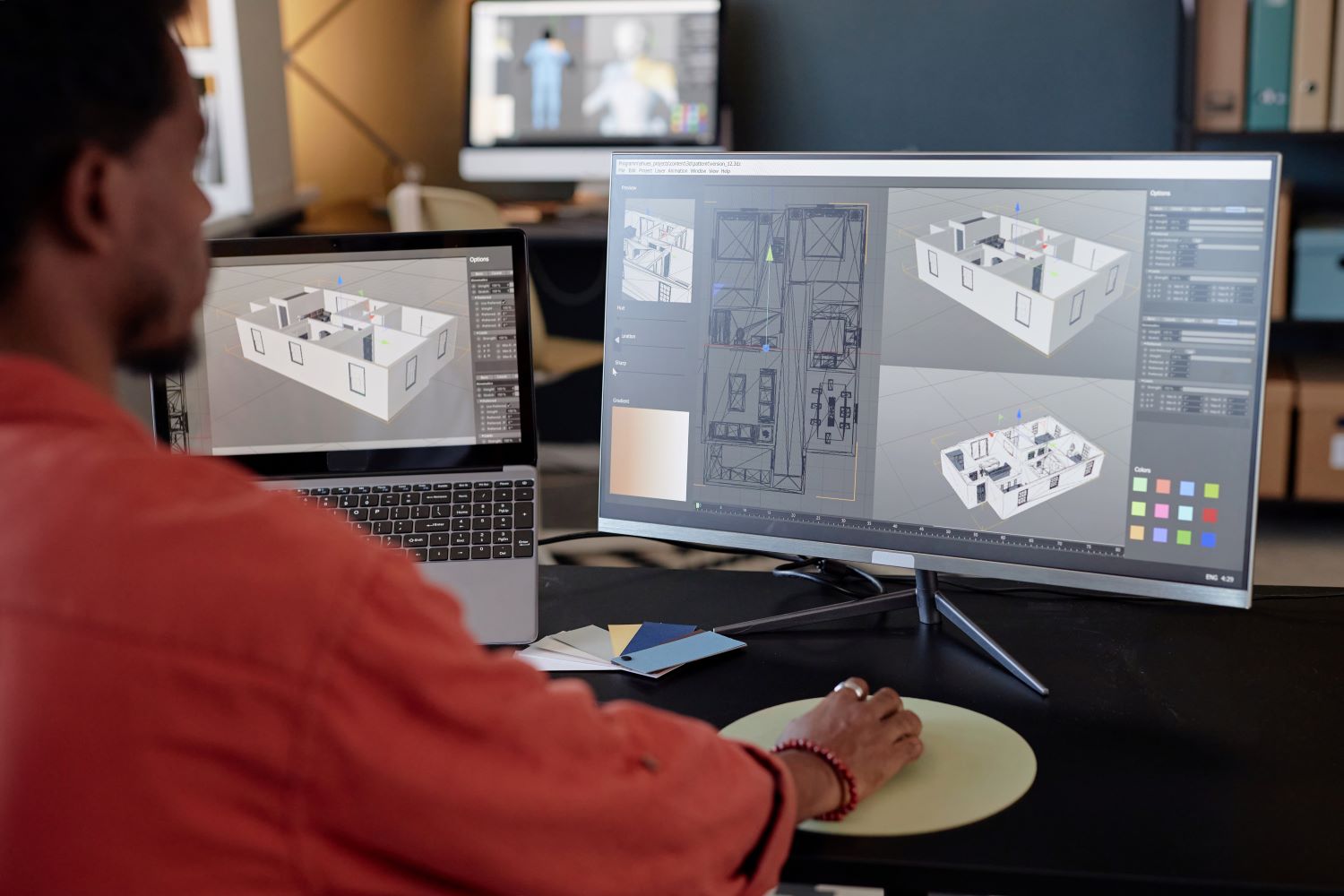
ทำความรู้จักกับเทคโนโลยีการออกแบบบ้าน ที่คำนึงถึงสิ่งแวดล้อม ในอุตสาหกรรมการก่อสร้าง
เทคโนโลยีการออกแบบบ้าน ที่คำนึงถึงสิ่งแวดล้อม มักเรียกกันว่าเทคโนโลยีอาคาร “สีเขียว” โดยมุ่งเน้นไปที่การสร้างโครงสร้างที่อยู่อาศัยที่มีผลกระทบด้านลบต่อสิ่งแวดล้อมน้อยที่สุด ใช้ทรัพยากรอย่างมีประสิทธิภาพ และจัดให้มีสภาพแวดล้อมการอยู่อาศัยที่ดีต่อสุขภาพ เพื่อลดการใช้พลังงาน อนุรักษ์ทรัพยากรธรรมชาติ และส่งเสริมความเป็นมิตรต่อสิ่งแวดล้อม วันนี้เราจะมาแนะนำให้คุณได้ทำความรู้จักกับเทคโนโลยีนี้ให้มากขึ้นกัน เทคโนโลยีการออกแบบบ้าน ที่คำนึงถึงสิ่งแวดล้อม การออกแบบบ้านด้วยเทคโนโลยีสีเขียว จะมีการผสมผสานองค์ประกอบการออกแบบและเทคโนโลยีที่ประหยัดพลังงาน เช่น ไฟ LED อุปกรณ์ประหยัดพลังงาน และฉนวนคุณภาพสูง เพื่อลดการใช้พลังงานและลดต้นทุนด้านสาธารณูปโภค การออกแบบบ้านด้วยการคำนึงถึงสิ่งแวดล้อมนี้ไม่ได้ช่วยทำให้สิ่งแวดล้อมมีคุณภาพที่ดีขึ้นเท่านั้น แต่ในขณะเดียวกันก็ยังส่งเสริมการมีคุณภาพชีวิตที่ดีในระยะยาวของสมาชิกภายในบ้านหลังนั้นอีกด้วย และมีข้อควรรู้ดังนี้ เทคโนโลยีการออกแบบบ้านที่คำนึงถึงสิ่งแวดล้อมมีจุดมุ่งหมายเพื่อสร้างพื้นที่อยู่อาศัยที่สะดวกสบายและยั่งยืนซึ่งเป็นประโยชน์ต่อทั้งสิ่งแวดล้อมและเจ้าของบ้านโดยการลดการใช้ทรัพยากร ลดต้นทุนด้านพลังงาน และมีส่วนช่วยให้มีสุขภาพที่ดีขึ้นและยั่งยืนในอนาคต
Read More
ข้อดี – ข้อเสียของการออกแบบเว็บไซต์แบบ Responsive
การออกแบบในปัจจุบันให้ความสำคัญแค่เนื้อหาคุณภาพหรือสวยงามดึงดูดใจเพียงอย่างเดียวไม่ได้ ต้องตอบสนองแบบ Responsive ด้วย ถึงจะสามารถตอบโจทย์ความต้องการของคนยุคใหม่ได้อย่างครอบคลุม แต่ใครเพิ่งเคยได้ยินเป็นครั้งแรก เดี๋ยวเราจะพาไปดูว่าจริง ๆ แล้ว คือ อะไร หรือมีข้อดี – ข้อเสียยังไง เว็บไซต์แบบ Responsive คือ อะไร เว็บไซต์แบบ Responsive คือ การออกแบบให้เว็บไซต์สามารถปรับตัวให้เหมาะกับทุกอุปกรณ์ เช่น โน้ตบุ๊ก คอมพิวเตอร์ แท็บเล็ต มือถือ โดยไม่ต้องกังวลเรื่องความละเอียดหรือขนาดของหน้าจอ นอกจากนั้น ยังมีความสำคัญในแง่ของการลดความยุ่งยากในการเขียนภาษา HTML การปรับขนาดให้รองรับทุกระบบปฏิบัติการ และส่งผลดีต่อ Search Engine Optimization หรือ SEO ด้วย ข้อดีของการออกแบบเว็บไซต์แบบ Responsive นอกเหนือจากการสามารถรองรับได้ทุกอุปกรณ์แล้วยังมีข้อดีได้อื่น ๆ ด้วย ได้แก่ 1. ประหยัดเวลาและค่าใช้จ่าย เนื่องจากไม่จำเป็นต้องออกแบบหรือทำเว็บแยกระหว่าง Desktop หรือ Mobile 2. สร้างประสบการณ์ในการใช้งานที่ดี อุปกรณ์เปรียบเสมือนการเพิ่มทางเลือกให้กับผู้ใช้งานมากขึ้น และย่อมมีผลต่อการสร้างประสบการณ์การใช้งานที่ดีตามมาด้วย…
Read More
เทรด Forex ดีกว่าจริงหรือ
ทุกวันนี้การเทรดหุ้นเป็นอะไรที่สามารถดำเนินการได้ง่ายๆ เพราะเป็นสิ่งที่เมื่อเรามีทุนทรัพย์และมีโทรศัพท์ ก็สามารถเทรดได้แล้วครับ ซึ่งนอกจากหุ้นแล้ว ยังมีการ “เทรด Forex” ที่หากท่านมีความรู้ความเข้าใจก็สามารถสร้างรายได้เป็นอย่างดีเช่นกัน บทความนี้จึงอยากจะพาทุกๆ ท่านไปพบกับ “เทรด Forex ดีกว่าจริงหรือ” กันครับ จะเป็นอย่างไรกันบ้างนั้น…เราค้นหาคำตอบพร้อมๆ กันเลยครับ เปรียบเทียบการเทรด Forex “เทรด Forex ดีกว่าจริงหรือ” เป็นคำถามที่ไม่สามารถตอบได้ด้วยคำตอบเดียวว่า “ใช่” หรือ “ไม่ใช่” เพราะการเทรด Forex มีทั้งข้อดีและข้อเสีย และความเหมาะสมขึ้นอยู่กับปัจจัยส่วนบุคคล เป้าหมายการลงทุน ความเสี่ยงที่รับได้ และความเข้าใจในตลาดของแต่ละคน ข้อดีของการเทรด Forex ที่มักถูกกล่าวถึง: ข้อเสียและความเสี่ยงของการเทรด Forex: เปรียบเทียบกับการลงทุนประเภทอื่น (เช่น หุ้น): สกุลเงินที่น่าเทรด Forex มากที่สุดคือสกุลเงินไหน ? สกุลเงินที่ “น่าเทรด” ในตลาด Forex มากที่สุด มักจะหมายถึงสกุลเงินที่มี สภาพคล่องสูง, สเปรดต่ำ, และ มีความผันผวนที่เหมาะสม สำหรับการทำกำไร…
Read More
Shopping7 : พาไปชอปปิ้งราคาสุดประหยัดกับใจกลางเมืองของกรุงเทพ
•ไม่พูดถึงไม่ได้ ในปัจจุบันได้มีสถานการณ์ โควิด-19 และได้ส่งผลทำให้ระบบเศรษฐกิจมันแย่ไปหมด รวมถึงแม่ค้า พ่อขายต่าง ๆ คนก็ออกมาเรียกร้องถึงสิ่งที่กำลังเป็นอยู่ และสิ่งเหล่านี้ที่ทำให้เศรษฐกิจตกต่ำก็เลยส่งผลมาถึงวงการ Shopping ทำให้การช้อปปิ้งของเรานั้นต้องติดขัดพ่อ เพราะด้วยระบบการเงินในกระเป๋าที่ไม่มากอย่างดังเดิม แต่ไม่ต้องเป็นห่วงไปเพราะในวันนี้เราจะกลับมาเฉิดฉายอีกครั้ง เราเอาแหล่ง Shopping ยอดนิยมราคากันเองมาฝากที่แบบว่าไม่ต้องเสียเงินอะไรเยอะแล้ว เป็นมิตรทั้งสิ่งของเสื้อผ้าหน้าผมทุกอย่างที่เราเอามาฝากในวันนี้เป็นแหล่ง Shoppingที่ราคาเป็นกันเองสุด ๆ ไปเลยถ้าไม่เชื่อก็ลองไปติดตามกันดู •แหล่งชอปปิ้งยอดนิยม ราคากันเอง ตลาดนัดจตุจักร แหล่งช้อปปิ้งขนาดใหญ่ที่ตั้งอยู่บนถนนพหลโยธินและถนนกำแพงเพชร 2 สถานที่แห่งนี้คลาคล่ำไปด้วยร้านขายเสื้อผ้าแฟชั่น ดีไซน์สวยๆ ไปจนถึงเสื้อแฮนเมดเก๋ๆ ราคาย่อมเยาทั้งมือ 1 มือ 2 ไปจนถึงกระเป๋า รองเท้า เครื่องประดับสวยๆ ก็มีให้เลือกจนตาลาย รวมไปถึงของใช้อื่นๆ ที่จัดแบ่งพื้นที่เป็นโครงการและโซนที่เปิดต้อนรับนักท่องเที่ยวอย่างคึกคักในช่วงสายของวันเสาร์และอาทิตย์ เป็นสถานที่ Shopping ที่ใครหลายหลายคนคุ้นเคย เพราะว่าตลาดนัดจตุจักรนี้มีสิ่งของมากมายได้รวบรวมอยู่ที่นี่แล้ว ขึ้นชื่อมาก ๆ เกี่ยวกับด้านแฟชั่นและเสื้อผ้าราคาถูกไม่ว่าใครไปก็ต้องได้ติดไม้ติดมือมาซักถุงสองถุง นอกจากนั้นไม่ได้มีเพียงแค่เสื้อผ้าแต่ยังมีสตรีทฟู๊ดอยู่ตลอดตามทางอีกด้วย ถือว่าไปแล้วก็ได้ทานของอร่อย ๆ อีกอิ่มและเพลิดเพลินไปกับการเดิน นอกจากนั้นตลาดนัดจตุจักรยังมีให้เลือกว่าเราจะเดินเป็นตอนกลางวันหรือตอนกลางคืนก็ได้ ให้ฟิลกันคนละแบบให้ความรู้สึกที่แตกต่างกันออกไป แต่โดยรวมแล้วตลาดนัดจตุจักรถือว่าเป็นที่หนึ่งของวงการ Shopping เสื้อผ้าเลย รวบรวมเอาไว้หมดแล้วที่นี่ไม่ว่าจะเป็นมือหนึ่งหรือมือสองสไตล์ไหนก็ตามสามารถหาได้ที่ตลาดนัดจตุจักรเลยมีให้เลือกเยอะแยะไปหมด…
Read More